


A Psychologist’s Advice on Healing After Divorce, At Any Age
When I got married in 1985, I never imagined that nearly 31 years later I would be divorced—on my own wedding anniversary, no less. At the time, I believed marriage lasted forever, just like my parents’, even though their generation was witnessing the early rise of divorce rates. I still remember sitting in my first marital therapy class in graduate school, asking: “What happens when two people marry young and then grow apart?” There was no clear answer, but intuitively, it made sense that growing apart accounts for a significant portion of divorces—including, eventually, my own.
At Soon Too Bee, we emphasize understanding the emotional dynamics behind relationships. Recognizing how relationships evolve can empower you to heal after divorce with compassion and clarity.
The Slow Build of Marital Dissatisfaction
When I launched my private practice in 1990, I worked with many couples and noticed a pattern: marital dissatisfaction and conflict don’t appear overnight—they build slowly over time. Specializing in pregnancy and postpartum mental health, I often saw how having a child magnifies pre-existing issues or introduces new ones. The perinatal period is a time of heightened vulnerability for both men and women, with hormonal and psychological shifts making everything harder to navigate alone.
A Personal Story of Marriage, Stress, and Change
Unlike many new parents, my ex-husband, Steve, and I were a strong team during our daughters’ early years. But challenges eventually emerged. After job losses, financial strain, health issues, and major life changes—including my surgery to remove a benign tumor and later breast cancer—we both came to realize we were no longer happy. Six months later, my divorce was finalized.
These experiences made me confront life’s fragility and helped me understand that staying in an unhappy marriage wasn’t the path forward for either of us.
The Psychological Impact of Divorce
Divorce is rarely easy. Its emotional impact can range from manageable stress to significant disruption, including anxiety and depression. Even amicable divorces can leave deep emotional marks.
At Soon Too Bee, we’re committed to supporting individuals through this transition. With the right tools and mindset, it is absolutely possible to rebuild a fulfilling life.
The Grief That Comes After Divorce
Even when you are relieved to leave a marriage, grief may still come—sometimes months or years later. After 35 years with Steve, I felt profound sadness when I realized our emotional connection was truly gone.
Divorce brings many losses:
-
The partner
-
Shared dreams and future plans
-
Mutual friends and family connections
-
Pets
-
Time with children (depending on custody)
Grief is not linear. You may move between denial, anger, bargaining, sadness, and acceptance in unpredictable ways.
At Soon Too Bee, we believe healing has no timeline. Every person’s emotional journey is unique and valid.
The Many Complications of Divorce
Very few divorces are simple, even uncontested ones. When Steve and I began the process, we expected smooth sailing. Instead, we encountered emotional tension, disagreements over living arrangements, and difficult conversations with our daughters—proof that age doesn’t reduce the emotional impact of divorce on children.
Beyond family challenges, divorce often brings shifts in friendships and extended family dynamics. Loved ones may grieve the loss of your marriage too.
The Financial Realities of Divorce
No one is immune to financial changes during divorce. In my practice at Soon Too Bee, I’ve seen everything—from hidden accounts to one partner being unaware of basic financial information like bank balances or passwords.
Key financial complications include:
-
Dividing assets and belongings
-
Uncovering unknown accounts
-
Understanding what legally belongs to whom
-
Rebuilding financial independence
Gathering as much financial information as possible is essential for making informed decisions.
Rediscovering Who You Are After Divorce
Divorce forces you to rebuild your identity. For me, writing my book Stress Less Live Better became an empowering outlet. I also rediscovered that I’m an “extroverted introvert”—needing a balance of solitude and social connection.
Over time, I embraced new hobbies, nurtured friendships, learned to cook creatively, traveled alone, built a new home, and eventually found a partner who complements my life in a healthy way.
This chapter of life helped me realize that the wiser, more mature version of myself is a better communicator and more loving partner.
At Soon Too Bee, we celebrate this evolution—helping individuals rediscover themselves with curiosity and courage.
A Psychologist’s Recommendations for Healing After Divorce
Healing is a deeply personal journey. There is no universal “right way” to recover. At Soon Too Bee, we recommend five powerful steps to support your emotional and psychological well-being:
1. Recognize Divorce as a Major Life Transition
Divorce is life-altering. Emotional upheaval is inevitable. Accepting this truth and being gentle with yourself is the foundation of healing.
2. Prioritize Self-Care
Your physical and emotional well-being matter now more than ever.
Nutrition: Eat regular meals or healthy snacks 3–5 times a day.
Exercise: Move 2–3 times a week for 20–30 minutes.
Sleep: Rest when you can; short naps help.
Stress Reduction: Use soothing practices like music, meditation, or body scans.
Self-care strengthens emotional resilience.
3. Practice Daily Stress Reduction
Even simple techniques help:
-
Deep breathing
-
Relaxation exercises
-
Mindful observation
-
Redirecting thoughts to positive or neutral activities
With consistent practice, stress lessens and resilience grows.
4. Focus on Your Children
Children of all ages feel the weight of divorce. They need reassurance, stability, and space to process their emotions. Avoid involving them in conflicts with your ex-partner.
5. Soothe Your Mind and Body with Mindful Actions
Mindfulness teaches that no feeling lasts forever. Shift your attention to comforting activities:
-
Spend time with children or pets
-
Meet a friend for a meal
-
Enjoy uplifting music
-
Take a warm bath
-
Light a candle
-
Watch the sunset
-
Help someone in need
-
Practice gratitude
These moments remind you that joy still exists, even during difficult times.
Final Thoughts
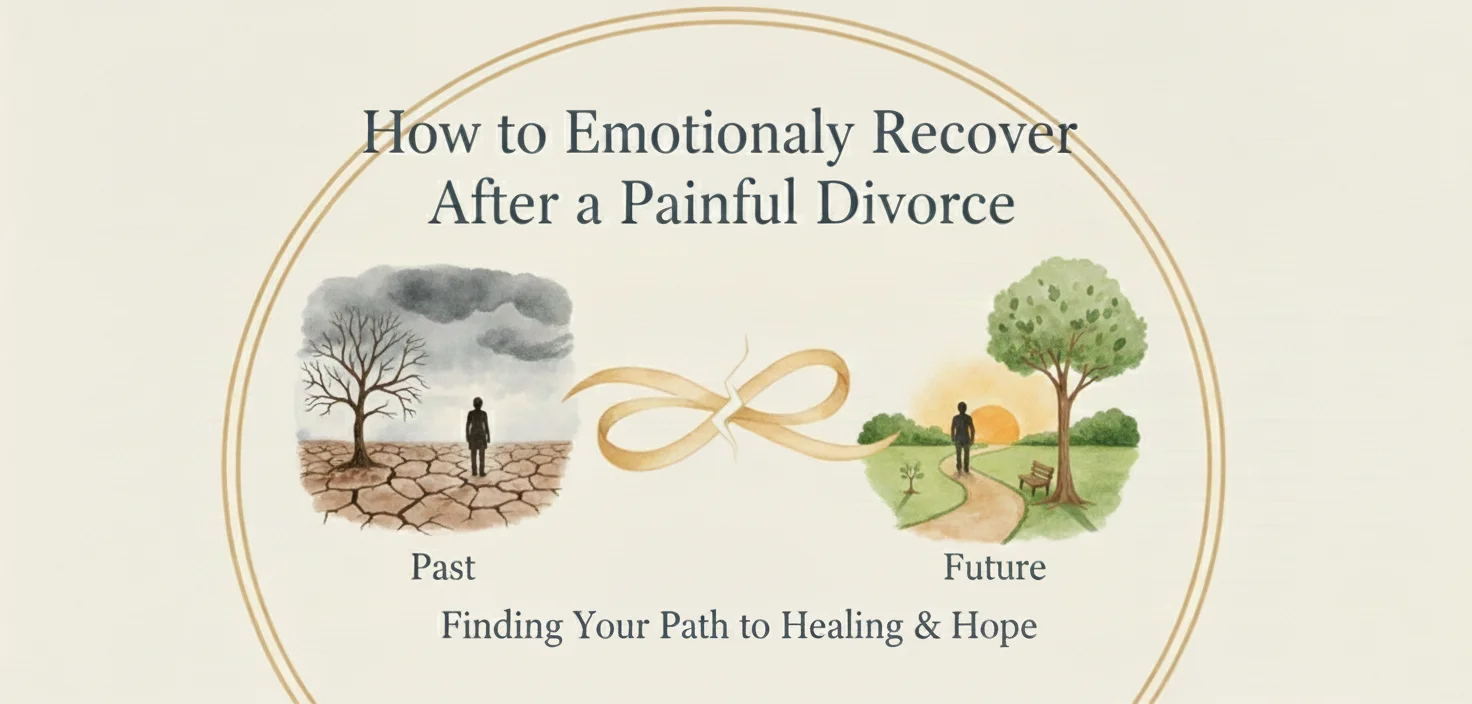
Healing after divorce takes time, compassion, and courage. With the support and guidance offered by Soon Too Bee, you can rebuild your life—slowly, intentionally, and beautifully. Your future can become brighter, fuller, and more aligned with who you truly are.